Are Polycarbonate Suitcases Better Than Aluminum for Everyday Travel?
When it comes to hardshell luggage that’s reliable, stylish, and built for the rigors of frequent travel, the debate between polycarbonate vs aluminum suitcases is as polarized as ever. With airline weight limits tightening worldwide and baggage claim realities demanding more than just good looks, travelers face tough choices. Should you opt for ultra-lightweight polycarbonate designs favored by brands like Joe's Daily and Von Baer? Or do you invest in the classic, robust durability of aluminum luggage, championed by stalwarts such as Rimowa?

In this post, we’ll dissect the nuances of lightweight hardshell luggage, focusing on material construction, hardware durability, and the everyday practicalities that only experienced travelers—and retail floor veterans—notice. Expect a reality check on the silent but telling giveaways of quality like wheels, handles, and zippers, as well as a no-nonsense look at what lurks beneath the glossy exteriors.
Understanding the Material Difference: Polycarbonate vs Aluminum Suitcase
Polycarbonate Quality and Impact Behavior
Polycarbonate has become increasingly popular because it hits a sweet spot for travelers who need lightweight luggage that can still absorb impact. Used in many direct-to-consumer brands including Joe's Daily and Von Baer, polycarbonate cases offer flexibility under stress. Unlike brittle plastics, polycarbonate tends to flex rather than crack, which is a vital feature when barrels tumble from conveyor belts or get tossed into overhead bins.
However, quality varies dramatically among brands selling polycarbonate. Here’s what to look for:
- Thickness: Thicker shells generally perform better but add weight—finding balance is key.
- Layering: Some manufacturers combine polycarbonate with ABS or other polymers for enhanced durability.
- Surface treatment: Matte finishes can resist scratches better, preserving that “quiet luxury” aesthetic favored by Joe’s Daily rather than loud logos screaming “brand me.”
Polycarbonate’s advantage shines once you factor in airline weight limits. Since many carriers have strict restrictions—especially in economy class—using lightweight polycarbonate can save crucial ounces, letting travelers pack more without a surprise baggage fee. But beware: not all polycarbonate is created equal. Cheaper variants like bonded or blended plastics often crack prematurely or lose shape.
Aluminum’s Signature Appeal and Durability
When you hear names like Rimowa, the first image is usually gleaming aluminum planes of luggage with their distinctive grooved exteriors. Aluminum exudes a different vibe—classic, industrial, and undeniably durable. Its rigidity makes it highly impact resistant; dents and scratches may happen but structural damage is rare.
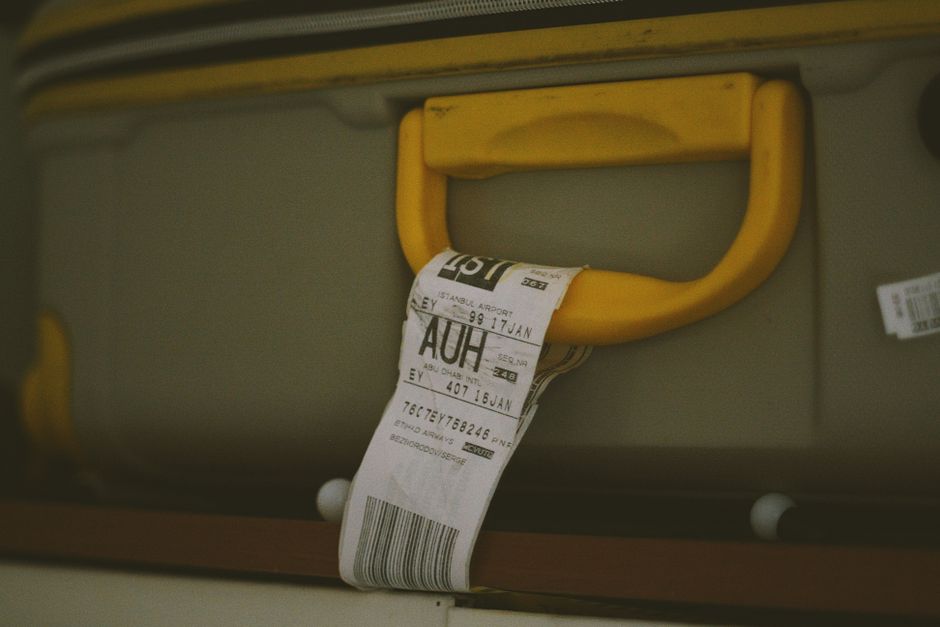
The tradeoff here is weight. Aluminum suitcases are naturally heavier than polycarbonate, frequently hitting the scales just under the upper airline limits for carry-on bags alone. For everyday travel, especially if transitioning multiple flights, this can add up to fatigue or forced packing compromises.
On the other hand, aluminum designs rate very well for longevity and hardware durability—handles survive more wear, zippers rarely jam (though those are naturally less common in hardcases; aluminum models often use push-button latches instead), and wheels tend to be heavy duty. Rimowa’s A380 series, for instance, strikes an excellent balance, yet comes at a premium price tag.
Quiet Luxury vs Loud Logos: What Your Luggage Says About You
Luxury luggage today has two dominant identities:
- Quiet luxury: Subtle branding, focus on craftsmanship, rare use of full-grain leather, refined hardware, and an emphasis on timeless style.
- Loud logos: Noticeable brand marks, flashy colors, or gimmicky designs often used to signal status.
Brands like Joe's Daily and Von Baer have embraced quiet luxury, choosing minimalistic logos etched subtly into hardware or understated shell embossing rather than ostentatious trademarks. This approach caters well to everyday travelers who want to avoid baggage claim mix-ups or the unwanted attention that loud branding invites—especially in airport carousel and baggage claim scenarios.
Compare this to best designer carry on 2026 some aluminum offerings that insist on large, shiny metallic logos and intricate exterior patterns that can become fingerprint magnets and invite damage. Besides, large metal badges sometimes detach during rough handling, turning into annoying pieces you have to track down or that cause scratches.
Full-Grain Leather vs Bonded Leather Reality Check
Another stylistic factor that often gets overlooked is leather accents on luggage. Full-grain leather is durable, ages beautifully, and feels premium to the touch—qualities you’ll find on watches and wallets, but rarely on most luggage, which often opts for bonded leather due to cost.
Many brands misleadingly market bonded leather as “genuine leather,” triggering customer frustration when it cracks or peels within months. Paying attention to these details helps avoid disappointment and costly returns.
Hardware Durability: What Breaks First?
After 12 years on retail floors handling returns and warranty claims, I can say without hesitation that the first casualty in luggage usually isn’t the shell—it’s the hardware.
- Wheels: Often the first to fail, especially spinner wheels that rotate 360°. Inferior wheels crack, fall off, or lock up, transforming a smooth travel experience into a frustrating drag-fest at the airport.
- Handles: Telescoping handles can jam, get wobbly, or break at the joints. Check if handle mechanisms are metal-reinforced and if replacement parts are available.
- Zippers: For polycarbonate cases, zippers are usually on internal expansions or accessory compartments. High-quality zippers (like YKK) coupled with durable pulls can make a day-and-night difference in longevity.
Leading brands like Von Baer and Rimowa invest heavily in durable and repairable hardware. One of the perks of traditional luggage shops, Rimowa’s extensive warranty and replacement programs mean you can swap out wheels or handles instead of buying a whole new suitcase.
Meanwhile, many direct-to-consumer players prioritize sleek lines over repairability, which can become a pain point especially if you love frequent travel. Airport carousels are unforgiving places where rough handling happens, and having a suitcase with accessible replacement parts saves money and trips back to the retailer.
Real World Considerations: Airport Carousel and Baggage Claim Scenarios
It’s easy to get swayed by glam product photos online showing perfectly pristine luggage. But in the reality of baggage claims, your bag will likely be jostled, scratched, and tossed off conveyors. Here’s what I’ve learned:
- Polycarbonate shells with matte or lightly textured finishes hide scuffs better than shiny aluminum, which can easily show dents and fingerprints.
- Aluminum suitcases tend to dent but within limits—structural damage is rare, but aesthetic blemishes are common.
- Quiet luxury luggage often stands out less, meaning reduced chance of mistaken identity or theft at busy carousels.
- Lightweight polycarbonate luggage helps keep you under airline weight limits allowing more packing freedom and less stress during check-in.
- However, polycarbonate may crack or chip on very hard impacts; aluminum dents without cracking but is heavier on the scale.
Comparison Table: Polycarbonate vs Aluminum Suitcase
Feature Polycarbonate Suitcases Aluminum Suitcases Weight Lightweight — better for meeting strict airline weight limits Heavier — sturdy but adds to overall luggage weight Durability Flexible and impact-resistant but can crack with sharp impacts Highly rigid — dents may occur but rare to crack or break Hardware Durability Varies by brand; potential compromises on wheels and handles in cheaper models Generally very robust, with easy-to-replace wheels and handles Appearance Subtle finishes preferred by quiet luxury brands (Joe's Daily, Von Baer) Iconic metallic grooved look; can show fingerprints and dents Repairability Limited in less expensive models; some DTC brands lack replacement parts High; brands like Rimowa offer warranties and parts replacement Price Range Moderate to premium depending on craftsmanship and brand Generally premiumConclusion: Which Should You Choose for Everyday Travel?
For everyday travelers juggling multiple flights, layovers, and tight airline weight limits, lightweight polycarbonate luggage from brands like Joe's Daily and Von Baer offers a compelling blend of style and substance. Its impact-friendly flexibility and quiet luxury approach help it blend seamlessly into modern travel culture. However, watch carefully for the quality of hardware and the reality behind those “genuine leather” claims on accessories.
If you prioritize long-term durability, don’t mind the extra weight, and value repair options, aluminum cases—especially from a trusted brand like Rimowa—remain an unbeatable choice. Their rugged construction and extensive warranty support make them ideal for travelers who view luggage as a long-term investment rather than a seasonal accessory.
Ultimately, the choice between polycarbonate and aluminum hinges on your travel habits, aesthetic preferences, and how much weight you can comfortably manage while navigating airport carousels and baggage claim aisles. Whatever you choose, remember that the shell is only half the story—durable hardware and realistic warranty policies are what keep your suitcase rolling smoothly trip after trip.